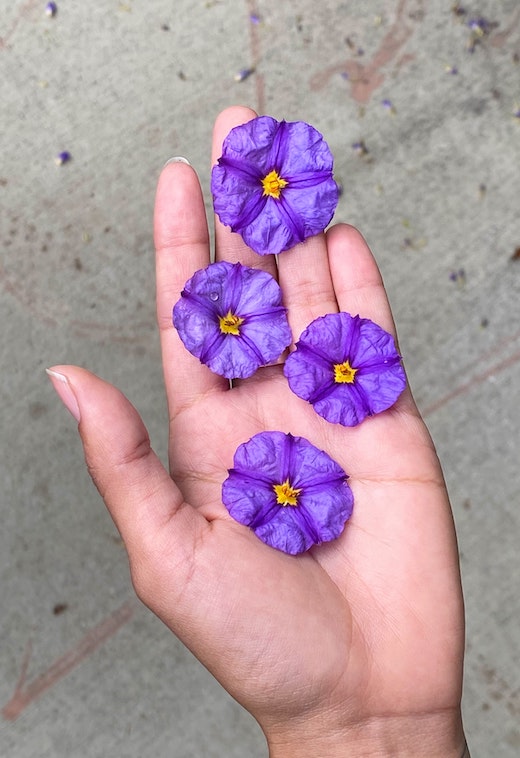
Purple flowers balanced on the palm of a hand.

Science

Skin Biology


Proscien’s skin biology research is more broad and in depth than the usual.

Laterally, we study the topological and morphological behaviors of skin at different locations on the body so that we can design the perfect ingredients with the right rheologic profiles to achieve complete and uniform skin coverage.

Vertically, we investigate the structure, composition, and function of each skin layer to reveal the needs of skin at all locations and on all occasions. We then fulfill these needs with our extensive ingredients and delivery technologies.

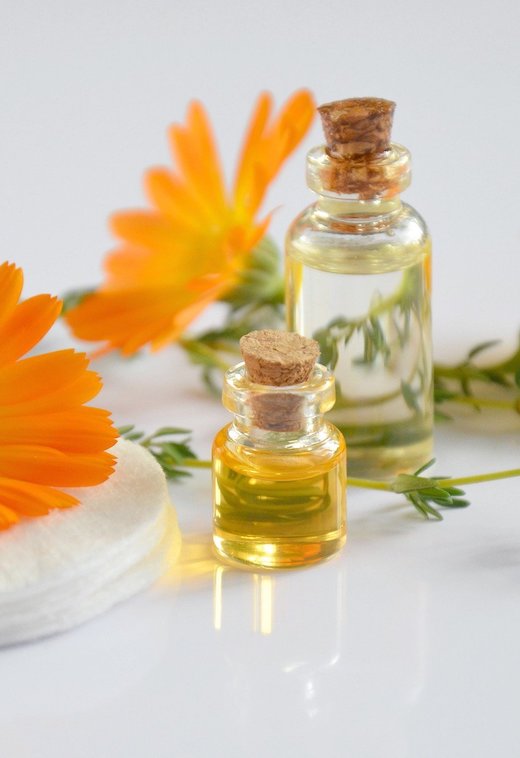
Two corked glass bottles of essential oil in front of orange flowers.

Phytochemistry


Lipid chemistry. At Proscien, we explore glycerolipid, glycerophospholipid, glycolipid, and glycosphingolipid chemistries derived from plants such as the olive, sunflower, and apricot. We investigate the liquid crystal phases of these lipid molecules in various environments to construct the perfect emulsifying and structuring ingredients for every situation.

Antioxidants. Comprehensive research into the structures and properties of ingredients extracted from olive, grape, and other trees and shrubs forms our cosmetic active products.

Sense and sensory. Oils and aromas harvested from shrubs and trees are essential to our emollience technology platform, providing unique feel, fragrance, and other secondary functions.

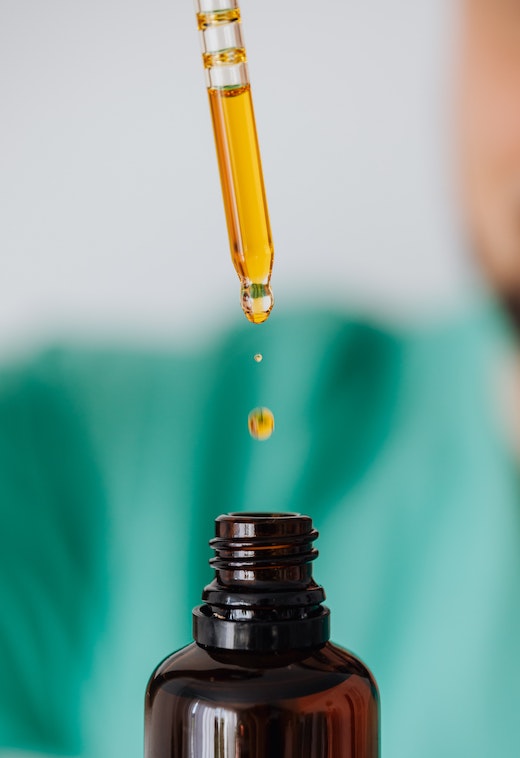
A pipette dispensing orange solution into a brown bottle.

Delivery Technology


To "massage" phytochemistry with skin biology, we research the science and technology of phases and interfaces. We strive to achieve optimum surface compatibility and complete uniform coverage by predicting the interactions and structures of various phases. We apply our expertise in chemistry, physics, physiology, and psychology to correlate the skin feel of cosmetics to the nature of the emulsion droplets, emulsion rheology, liquid crystal structural arrangements, and molecular designs of each formulation component. This allows us to forecast the behavior and performance of a cosmetic product based on the molecular structures of its ingredients.

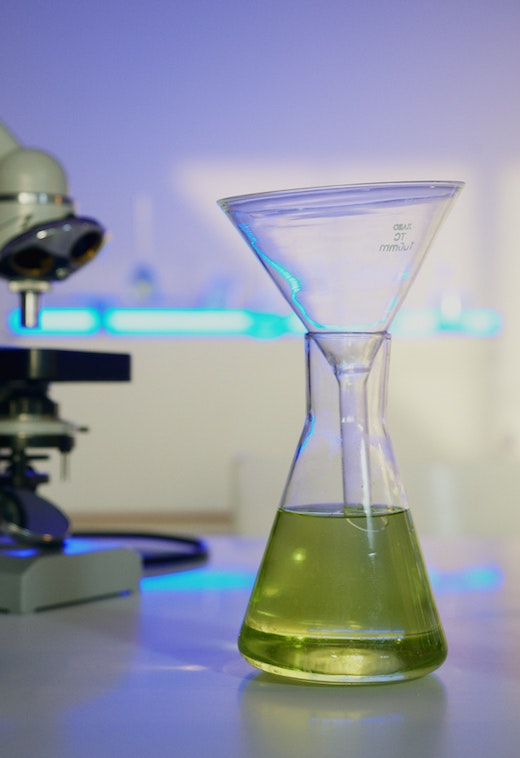
Blue light being beamed into a glass funnel inserted into an Erlenmeyer flask of clear green solution.

Advanced Spectroscopy


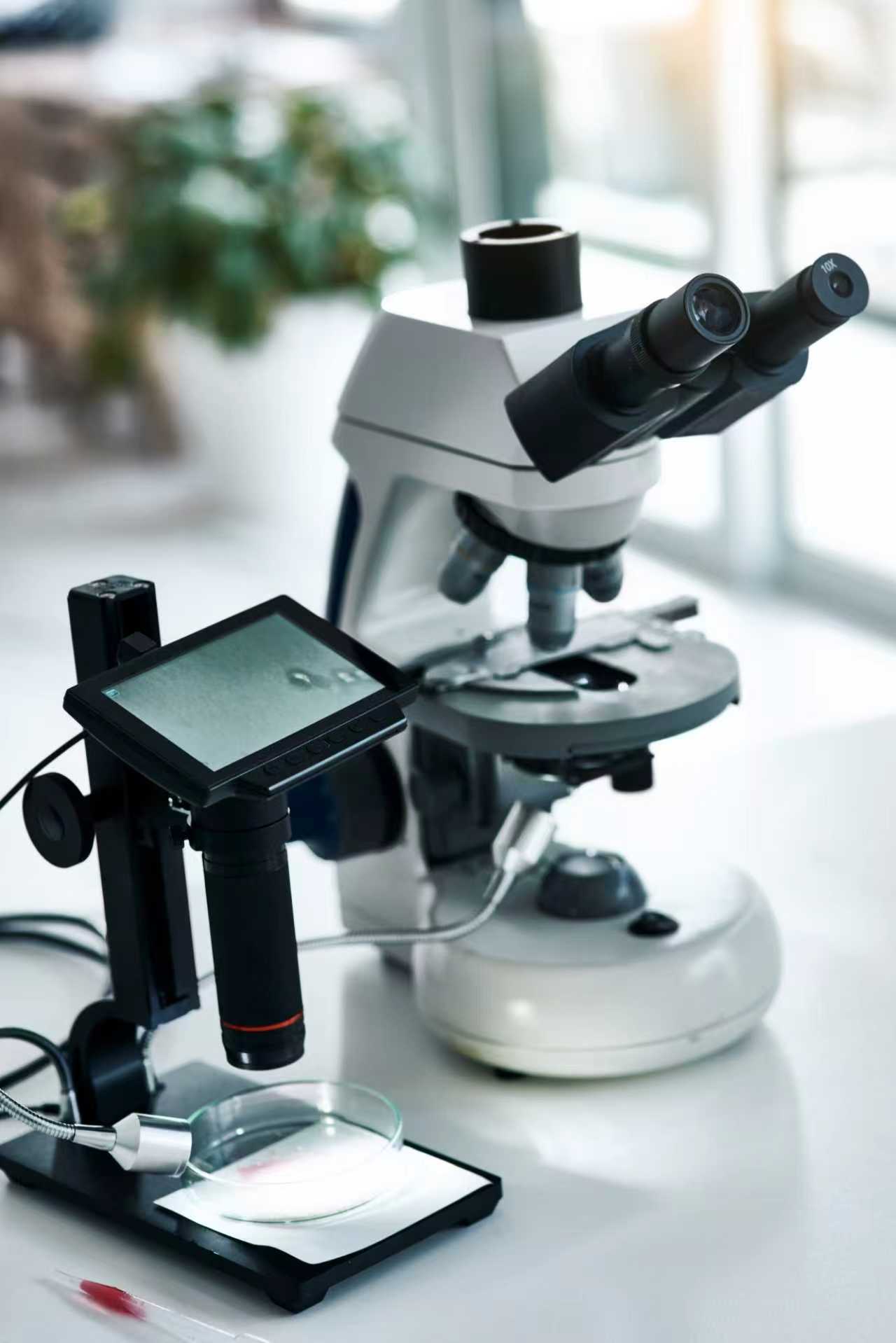
Seeing is believing. Proscien researches spectroscopic methods for observing beauty in action and for validating performance. Optical microscopy coupled with UV spectroscopy enable the quantification of lateral coverage as well as the monitoring of structural changes while cosmetics are applied and worn. We use fluorescence microscopy, confocal Raman microscopy, and infrared microscopy to measure and visualize the beautification and protection of skin in vivo.

A diagram of liquid crystal phases by water content in the system.

Lipids & Liquid Crystals


Lipids are hydrophobic or amphiphilic small molecules. The functions of lipids include storing energy, signaling, and acting as structural components of cell membranes.

At Proscien, we research hydrophobic plant lipids for their nutritional, antioxidant, and emollient properties. They are present in our oil, butter, actives, and emollient product lines.

Amphiphilic lipids, such as lyotropic liquid crystals, aggregate to form structures of different shapes, known as "phases." These phases include a sphere of lipid molecules (micelle), pairs of layers that face one another (lamellar), a tubular arrangement (hexagonal), or various cubic phases, each of which provides unique structuring and viscoelastic properties.

Proscien is constantly exploring the formation of and transitions between amphiphilic lipid phases for our emulsification technology development; our goal is to create cosmetic formulations desired by all consumers. At Proscien, we research lipidic structures and their various liquid crystal phases as well as how specific phases influence emulsion droplet size and distribution. This knowledge allows the design of emulsifiers to structure target rheology profiles, enabling us to provide a wide range of lipidic multifunctional emulsifiers to furnish the desired handling, application, and skin feel characteristics for cosmetics.
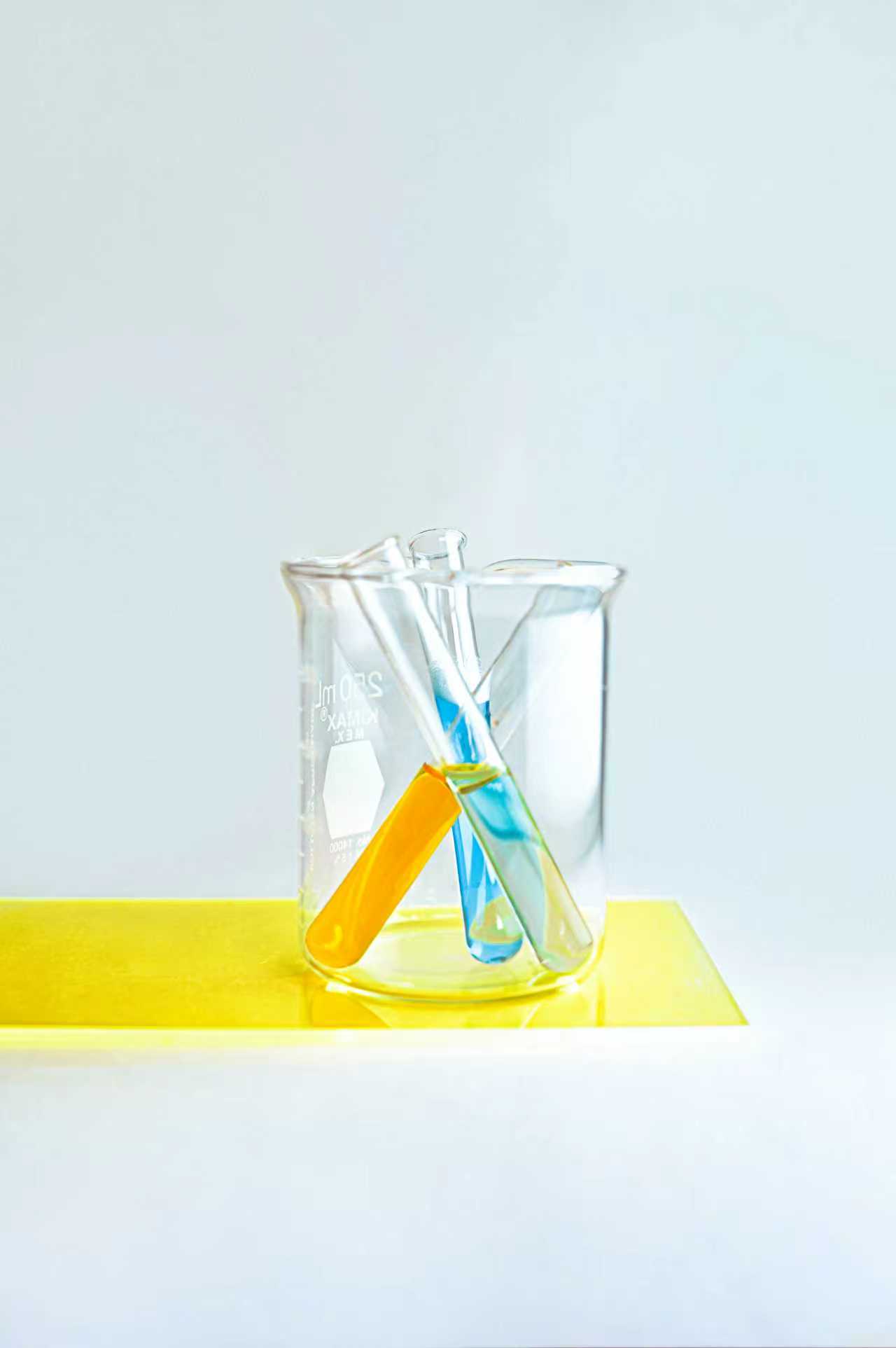
A glass beaker holding three test tubes.

Antioxidants & Antiaging


While most life on Earth requires oxygen to generate metabolic energy, oxygen is a highly reactive element that damages living organisms by producing reactive oxygen species. Consequently, organisms contain antioxidant metabolites and enzymes to prevent oxidative damage to cellular components such as DNA, proteins, and lipids. Antioxidant systems either prevent these reactive species from being formed or remove them before they can damage vital components of the cell.

In plants, reactive oxygen species are produced during photosynthesis, particularly under conditions of high light intensity. This effect is partly offset by the involvement of antioxidants to prevent the production of reactive oxygen species. For this reason, plants grown in high intensity sunlight environments are known to be rich in antioxidant content. Foods that contain high levels of antioxidants have long been considered important to human health.

Like plants, human skin also produces excessive reactive oxygen species when exposed to sunlight. Mediating excessive reactive oxygen species in the skin is important for maintaining healthy and youthful skin structure. In addition to avoiding excessive sun exposure, supplementing skin antioxidant content via the skin's surface has been a known strategy in the cosmetic industry. As such, collecting efficacious antioxidants from nature has been an important undertaking of the cosmetic ingredients industry. Access to the right plant materials and utlization of the most suitable extraction processes are both critical to the production of effective antiaging active cosmetic ingredients.

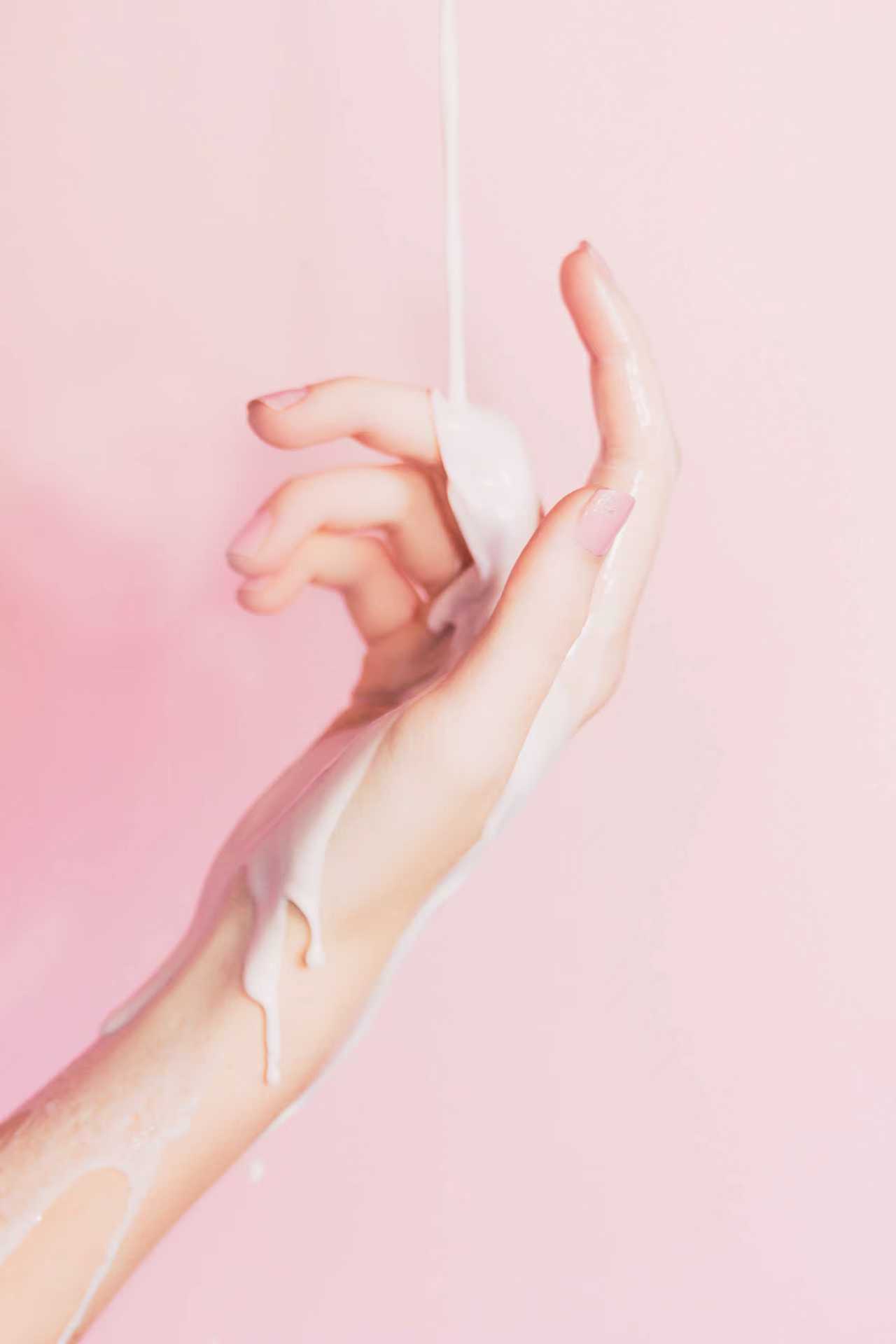
Lotion being poured onto a hand.

Rheology & Sensory


At Proscien, we discovered that the emulsifier liquid crystal phases in an emulsion determine its rheological properties. These properties directly impact how the emulsion flows and handles during manufacturing and storage and how it feels on the skin.

The rheological properties of emulsions differ from those of suspensions. Unlike dispersed solid particles, the dispersed droplets of emulsions undergo deformation under shear. This occurs even at low dispersed-phase concentrations, leading to the development of stress and shear-thinning effects. Both the shear-thinning effect and the degree of viscoelasticity depend on two inherent properties: the volume fractions of the dispersed phase and its droplet size and distribution.

The viscoelastic behavior of liquid crystals is dependent on the characteristics of the phase they adopt. For example, lamellar liquid crystals behave like a gel while hexagonal liquid crystals behave like a viscoelastic fluid.

Proscien researches the close correlation between emulsifier liquid crystal structure and emulsion rheology. We start by optimizing emulsifier molecular structures, which allow us to predict the nanostructure of the liquid crystal phases under different emulsion conditions. This nanostructure defines the microstructures of the emulsion (droplet size and distribution), and these microstructures further determine the macro-behaviors of the emulsion (flow, skin feel, texture, etc.)